Accumulate unread books
why your wish list doesn’t belong in a database 2025-12-23 #books #reading
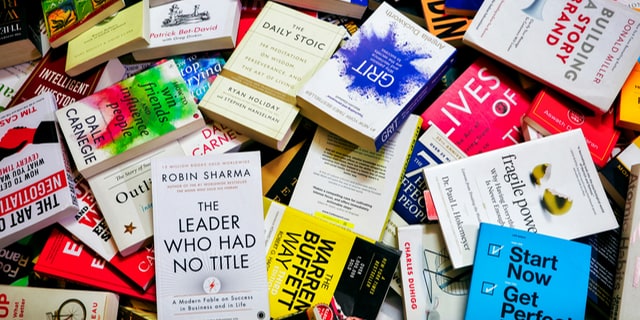
- Unread books ←
- Unread bookcase
- Curating unread books
- Track unread books
- The StoryGraph
Some new year’s resolutions inevitably get the neglect they deserve, as Emily half-joked:
Ok, but next year, I really will read the books I’ve already bought before buying more. (I definitely will not)
Everyone deserves an accumulation of books they haven’t read yet, if not a whole unread-books bookcase. Don’t book-shame yourself!
The wish list problem
Finishing a book and not having choices for what to read next delays starting your next book. With so many books available, choosing one book to read at a time leads straight to choice panic. Wish lists solve this, by capturing future reading options as we discover them.
Having a wish list introduces a new problem. When you finish reading a book, you enter the sad state of not having a book to read. Choosing one from your wish list doesn’t change that: you still have to wait until you actually get a copy.
The wrong solution to the wish list problem makes it easier to buy a book on your list. Now the books you want to read only exist in some online retailer’s database, instead of already on your shelf where they belong. Owning your wish list suits web shops for exactly the reason you shouldn’t accept it: it makes it less convenient to acquire books from multiple sources.
The Kindle problem
When you have (nearly) finished a book, you might visit a friend and mention it, and they might recommend and lend you one of their books. Even if you didn’t have it on your wish list. And they might even give (as in gift) you the book.
Kindles exist to prevent people from subverting Amazon’s solution the wish list problem by randomly giving each other books. Internet-connected e-readers reduce time-to-book, by skipping physical delivery, but you get a lesser kind of book. A book that you cannot sell, lend, borrow, inherit, or even show off on the shelf.
E-books’ other advantages do not require these restrictions, which makes it harder to accept them, even if convenience always beats quality. Not accepting these restrictions means finding an alternative solution to the wish list problem.
Granting your wish list
Ideally, you would solve the wish list problem by granting your wish list to yourself: wave a magic wand, and all of the books on the list magically appear! Unfortunately, real-world practicalities interfere.
- Buying new copies of your whole wish list would cost all of your money.
- You don’t know where to find all of the books for sale second-hand.
- Libraries fine you for keeping that many books until you finish reading them all.
- You don’t know which friends can lend you which books.
Instead, accumulate your collection of unread books gradually, when the opportunity arises. This requires a crucial mindset change: you no longer need another book because you’ve read all of the books you have. Instead, you need a book because you added it to your wish list.
Accumulating unread books
Once you get used to thinking of your wish list as your need list, and feel no childish guilt or shame at the number of unread books you own, you can start accumulating unread books. This accumulation may of course cause new problems, but having ‘too many books’ belongs to the special class of problems that we call luxury problems.

